
Prostate-related urinary problems are extremely common in men above the age of 50. While many men consider these symptoms a normal part of aging, ignoring prostate issues can lead to serious complications and delayed diagnosis of prostate cancer.
For patients in Panchkula, Chandigarh, and the Tricity region, early evaluation by a urologist allows timely treatment using modern, minimally invasive, and robotic techniques, often preventing long-term discomfort and complications.
Common Prostate Problems Seen After the Age of 50
The prostate gland naturally enlarges with age. However, not all prostate enlargement is cancerous. The most common prostate conditions include:
1. Benign Prostatic Hyperplasia (BPH)
A non-cancerous enlargement of the prostate that can cause:
- Weak urinary stream
- Difficulty starting urination
- Frequent urination, especially at night
- Incomplete bladder emptying
2. Prostatitis
Inflammation or infection of the prostate, which may present with:
- Pelvic or perineal pain
- Burning during urination
- Fever (in acute cases)
3. Prostate Cancer
One of the most common cancers in men, often silent in early stages, making screening and evaluation crucial.
Warning Symptoms That Should Not Be Ignored
Men over 50 should consult a urologist if they experience:
- Increased urinary frequency or urgency
- Nocturia (frequent night-time urination)
- Weak or interrupted urine stream
- Straining to pass urine
- Blood in urine or semen
- Sudden urinary retention
Early consultation can prevent bladder damage, kidney problems, and avoid emergency catheterization.
How Are Prostate Problems Evaluated?
A structured evaluation helps differentiate between benign and malignant conditions. This may include:
- Detailed medical history and symptom assessment
- Digital rectal examination (DRE)
- PSA (Prostate-Specific Antigen) blood test
- Ultrasound or MRI (when required)
- Urine flow studies
This stepwise approach ensures accurate diagnosis and avoids unnecessary treatment.
Modern Treatment Options for Prostate Conditions
Treatment is individualized based on prostate size, symptoms, age, and overall health.
Medical Management
- Alpha blockers
- 5-alpha reductase inhibitors
- Anti-inflammatory therapy (in selected cases)
Many patients experience significant symptom relief with medication alone.
Minimally Invasive and Endoscopic Procedures
For patients not responding to medicines:
- Endoscopic prostate surgery
- Laser-based prostate procedures
These offer quicker recovery and reduced hospital stay.
Robotic Surgery for Prostate Cancer
For appropriately selected patients with prostate cancer, robotic-assisted radical prostatectomy provides:
- Precise cancer removal
- Better nerve preservation
- Improved urinary continence outcomes
- Faster recovery compared to open surgery
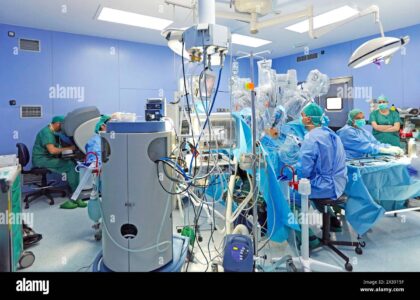
Robotic technology allows surgeons to operate with enhanced vision and control, which is especially important in prostate surgery.
Why Early Urology Consultation Matters
Delaying prostate evaluation often results in:
- Worsening urinary symptoms
- Emergency urinary retention
- Advanced-stage cancer detection
Early consultation allows timely, less invasive, and more effective treatment—often with better quality-of-life outcomes.
Advanced Prostate Care in Panchkula & Tricity
With the availability of advanced diagnostics and surgical techniques, men in the Tricity region can now access comprehensive prostate care locally. The focus remains on:
- Accurate diagnosis
- Evidence-based treatment
- Patient education and shared decision-making
- Long-term follow-up and monitoring
Key Message for Patients
Prostate problems after 50 are common, manageable, and often treatable—especially when detected early. Modern urology offers a wide range of treatment options, from medications to advanced robotic surgery, tailored to each patient’s needs.
If you are experiencing urinary symptoms or have concerns about prostate health, timely consultation with a urologist can make a decisive difference.